/ Guide
Motorcycle tyre pressures — the real numbers
The number on the swingarm sticker is a starting point, not a target. Here's what it actually means, how to set it properly, and how to spot when something's off.
The number on the swingarm sticker is a starting point, not a target. Here’s what it actually means and how to set yours properly.
The owner’s manual is the authority
Before any of the rest of this matters: every number below is a category-typical figure. Your owner’s manual lists the actual cold pressures for your specific bike, in solo and two-up form, and the manufacturer’s pressures always win. The sticker on your chain guard, swingarm or under the seat is the same numbers in shorter form.
If the manual disagrees with this guide on a number for your bike, the manual is right. If the manual disagrees with the sticker, the manual is right. We’re a tyre shop, not your bike’s design team.
With that out of the way.
Cold means cold
“Cold” is the most-misunderstood word in this whole topic. It means ambient temperature, before riding. A tyre that’s done five miles to the petrol station is not cold. One that’s been sitting in a cool garage overnight is. A tyre that’s been leaned in the sun for an hour, even on a bike that hasn’t moved, isn’t really either.
Three working rules:
- Check first thing in the morning, before the first ride.
- If you can’t check first thing, the tyre needs three hours of stillness to be properly cold.
- A few hundred metres of low-speed rolling to reach a gauge is fine. Five miles isn’t.
Forecourt air machines are a sensible last resort. By the time you’ve ridden to the garage your tyres aren’t cold any more, and the gauges on those machines are usually well off true.
Typical pressures by bike type
The table below is typical for the category, not law for your specific bike. Use it as a sanity check against your manual. All figures are cold, in PSI, for a solo rider.
| Category | Front PSI | Rear PSI | Notes |
|---|---|---|---|
| Sport (1000cc+) | 36 | 42 | R1, S1000RR, Panigale family |
| Sport-touring | 36 | 42 | Versys, GSX-S, FJR family |
| Naked / streetfighter | 34 | 40 | Z, Streetfighter, MT family |
| Touring (heavy) | 36 | 42 | RT, Goldwing family |
| Cruiser | 36 | 40 | Most Harley, large Indian |
| Adventure (on-road) | 32 | 36 | GS, Tiger, Africa Twin on tarmac |
| Adventure (off-road) | 22–26 | 24–28 | Same bikes, knobbly tyres, dirt |
| MX / enduro | 12–15 | 12–15 | Heavily tyre-dependent |
| Scooter (125–300cc) | 28 | 32 | Vespa, PCX, Forza family |
If your bike doesn’t sit cleanly in any of these categories, the manual is the answer.
The 4 PSI rule
This is the most useful diagnostic in tyre maintenance and almost nobody uses it.
Tyres heat up when ridden. Heated air expands. So a tyre that’s at the right cold pressure should rise to roughly 3 to 4 PSI above cold once it’s been worked for a few miles. That’s the sweet spot. If you check at a service stop after thirty minutes of motorway, that’s where the gauge should sit.
Less than 2 PSI of rise means the tyre was too hard cold. Three to five PSI of rise is dialled. Six PSI or more means the cold pressure was too low and the carcass is overheating to compensate. The last one is the dangerous case. It’s also the most common.
This rule applies to road riding only. Track use is different (covered below).
What wear patterns tell you
Inflation shows up in tread wear long before it shows up in feel. Three patterns to watch for.
- Shoulders worn first — under-inflated. The tyre flattens out under load, the shoulders take more of the contact patch and they wear faster. This is the dangerous one because heat is also being built into the carcass.
- Even wear across the profile — correct inflation, balanced riding style. What you want.
- Centre strip worn first — over-inflated, OR a lot of motorway miles. Long straights load the centre of the tyre exclusively. If you ride mostly motorway and you see this, your inflation may be fine.
If the wear is asymmetric left-versus-right rather than centre-versus-shoulder, inflation isn’t the issue. That’s suspension geometry, alignment or a habitual lean direction.
Solo, two-up and luggage
The rear tyre carries the load and its pressure responds most to changes in load. Front responds less but still moves a few PSI.
| Loading | Front bump | Rear bump | Notes |
|---|---|---|---|
| Solo, no luggage | — | — | Manufacturer's solo cold figure |
| Solo + panniers / topbox | +0 to +2 | +2 to +4 | Depends on luggage weight |
| Two-up, no luggage | +2 | +4 | Most manuals list this directly |
| Two-up + luggage | +2 to +4 | +4 to +6 | The maximum the manual lists is the ceiling |
These are guidelines. Most owner’s manuals list a “two-up” cold figure directly — that’s the one to use. Don’t exceed the maximum cold pressure stamped on the tyre’s sidewall (the COLD INFLATION PRESSURE limit), and don’t exceed the manufacturer’s two-up figure either.
Track-day pressures
Track use is its own world. Road tyres on track want lower pressures than road, hot, because the tyre runs much hotter than it ever does on the public road, and you want the contact patch flatter.
Approximate hot targets for sport-class tyres (Pilot Power, Rosso Corsa, Supercorsa SP, Q5 family) on a UK club track:
- Front: around 32 PSI hot
- Rear: 24 to 26 PSI hot
These are not numbers to set the bike up with cold and ride out on. You set off with a cold figure that climbs into the right hot range after the warm-up lap. Different tyres want different cold targets to land in the same hot zone, and the difference between brands can be 4 PSI either way.
Race tyres are a separate conversation entirely. Slicks, intermediates and dedicated track wets all run in different ranges, often with tyre warmers on them between sessions.
The only sensible advice for a first track day is: find the tyre tech in the paddock, tell them your bike, your tyre brand and the ambient temperature, and ask them to set you up. They’re usually free, they’re always right, and they’ll save you a high-side.
Off-road bleed-down
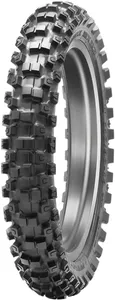
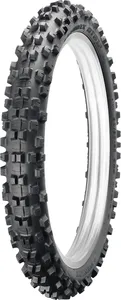
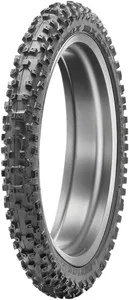
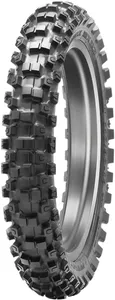
Adventure, enduro and motocross tyres run dramatically lower pressures off-road for one reason: contact patch.
A 22 PSI tyre wraps around rocks and roots in a way a 36 PSI tyre never will. The carcass deforms, the knobblies bite, and you keep traction over uneven ground. The trade-off is the price of low pressure on tarmac. Pinch flats become a real risk. The rim takes harder direct hits. And at any sustained speed the carcass overheats.
Working ranges:
- Hard-pack and gravel road sections (adventure): 26 to 30 PSI front, 28 to 32 rear. A workable middle that’s still safe at 70 mph.
- Loose dirt, sand, technical trail: 18 to 22 PSI front, 22 to 26 rear. Inner-tube bikes can usually go a touch lower than tubeless before the tyre walks the rim.
- MX and enduro racing: 12 to 15 PSI is typical, sometimes lower. Heavily dependent on tyre construction, rider weight and surface.
If your bike runs tubeless wheels with rim locks, you can go lower than the same wheel without locks. If you’re running inner tubes, pinch flats are the limit — too low and the tube gets caught between the rim and an impact and slices.
Air down before the trail, air up before the road home. There’s no shortcut.
Gauges and accuracy
Awkward truth: most pressure gauges are not very accurate.
- Pen-style stick gauges: typically plus or minus 4 PSI. The cheap ones much worse.
- Decent dial gauges (Motion Pro, Longacre, JOES Racing): plus or minus 1 PSI when calibrated.
- Digital gauges with ANSI rating: generally accurate, but the cheap end can drift over time.
- Built-in pump gauges: the worst category. Reads optimistically high.
- Forecourt air machines: unknown calibration history. Treat as ballpark only.
The fix is one good gauge, used consistently. Calibrate everything else against it. A £30 dial gauge from a motorcycle shop will outlast three sets of tyres and tell you the truth every time. A bike that shows the same 4 PSI rise every Friday morning across a winter is a bike whose owner can trust their gauge.
Why under-inflation kills tyres
Worth stating plainly because it’s the failure mode that hurts people.
A tyre’s carcass flexes as it rolls. That flex generates heat. The amount of flex is set by the inflation pressure. When pressure drops, flex rises, and heat builds faster than the tyre can shed it through the tread. At a certain point the bond between the rubber and the steel belts starts to fail and the tyre comes apart at speed.
This is why ten years of under-inflation reports list the same outcomes: motorway blowouts, sidewall failures and tread separations on the same fast roads. It’s never one big drop. It’s a slow leak ignored for a year, or a tyre that’s been at 28 PSI when it should have been 36 since it was fitted.
Five PSI low isn’t a small problem on a motorbike. It’s the problem.
The quick-reference card
If you skim one section, this is it.
- Set cold. Ambient, before riding. Five-mile-old tyres aren’t cold.
- Manual wins. The category typicals above are sanity checks, not your numbers.
- 4 PSI rule. Hot pressure should rise 3 to 4 PSI over cold. More means under-inflated.
- Adjust for load. Two-up and luggage need more pressure, especially in the rear.
- Check weekly. Tyres lose 1 to 2 PSI a month even with no leak.
- One good gauge. Calibrate everything else against it. A £30 dial gauge is the cheapest insurance you’ll buy.
Road tyres in stock
Once your numbers are right, here's what's available right now in the road-tyre family.
Browse all road tyres →
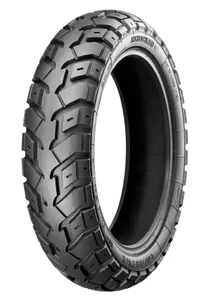
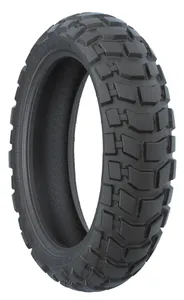
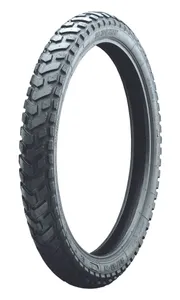
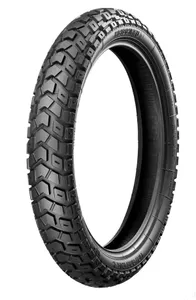
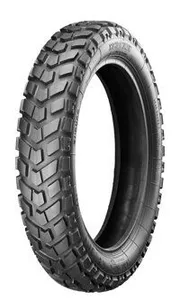
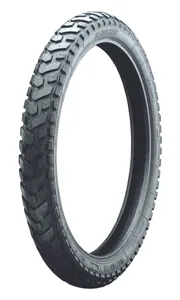
Adventure & dual-sport
Heavier load indices, taller sidewalls, designed to bleed down for off-road.
Browse all adventure & dual-sport tyres →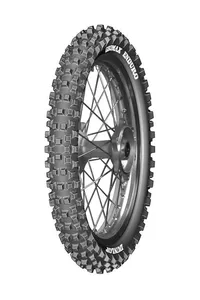
Right tyre, right pressure
Stocked and ready when yours is done
Browse by your bike or by the size on the sidewall. Free UK delivery on orders over £100, dispatched same or next working day from current stock.
3,502 tyres · 29 brands