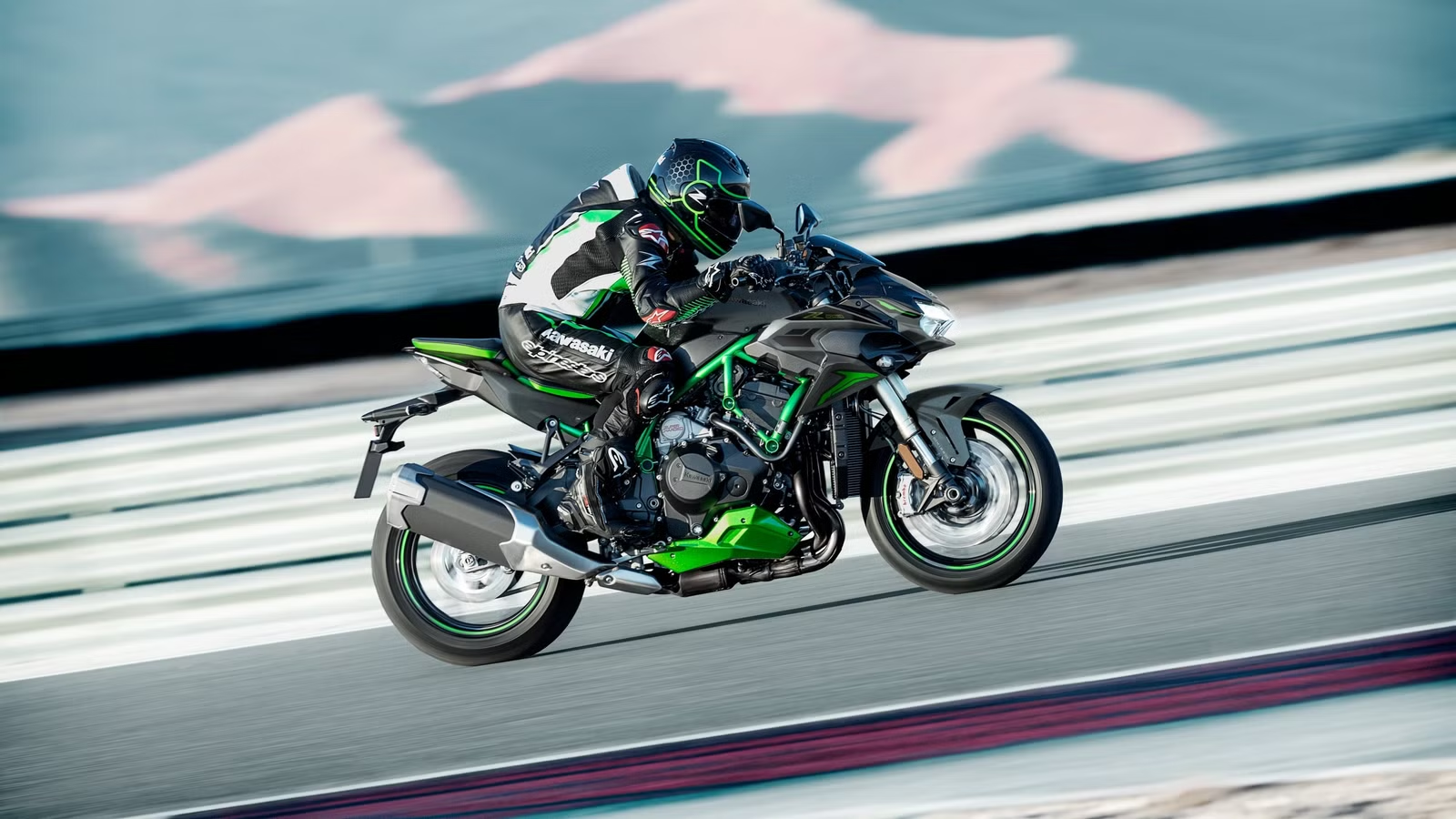
/ Guide
Scrubbing in new motorcycle tyres — the first 100 miles
A new tyre is at its most slippery the moment it's fitted. Here's what's happening, how far to take it easy, and what the riders who've crashed on fresh rubber wish they'd known.
A new tyre is at its most slippery the moment it’s fitted. Release agent on the surface, an unscuffed skin that hasn’t been worked yet, a compound that’s never seen a heat cycle on your bike — three things, all pulling the same way. The same tyre at 200 miles has noticeably more grip than it does on the way home from the workshop, and most riders never quite work out why. Here’s what to do about it.
The first 20 miles is the most slippery you’ll ever ride
The first leg out of the workshop is the highest-risk ride of the tyre’s life, and almost nobody treats it that way. Three things stack up.
- Mould release. Tyres come out of their moulds with a thin film of silicone or wax-based release agent so they leave the press cleanly. Modern tyres have far less of this than tyres from twenty years ago, but “less” is not “none”. On the first few miles it’s still slippery, on exactly the parts of the tread you most want to grip with: centre and shoulders.
- Unscuffed surface skin. The very outermost layer of rubber is microscopically smooth. Real grip on a road tyre comes from countless tiny abrasions and a thin worked surface that keys into road texture. A fresh tyre hasn’t done a single heat cycle. That worked layer doesn’t exist yet.
- Cold tyre. The tyre rolls out of a cool workshop onto a cool road. Until it’s done a few miles under load it isn’t at temperature, and below temperature any compound runs harder and more glassy than its working range.
The classic new-tyre crash isn’t the rider attacking, it’s the rider not realising they were anywhere near the limit. A wet roundabout, a painted line, a manhole cover, a slick of diesel — the bike’s gone before there’s any warning.
What “scrubbing in” actually means
Two things, physically.
One: wearing off the release agent. That happens within the first few miles of normal road use as tread rubs against tarmac. After 10 to 20 miles of mixed riding, the agent is essentially gone from the centre and most of the working contact patch.
Two: putting one or two full heat cycles through the surface skin. A heat cycle is the tyre warming up to its operating range and then cooling back to ambient. Each cycle leaves the outer layer of rubber a little less glassy, a little more keyed to the road. Two cycles is enough on a road tyre. Sport-track rubber benefits from more, but that’s a different conversation.
The phrase “scrubbing in” sounds aggressive. It isn’t. You’re not abrading the surface; you’re running the tyre through its temperature range a couple of times at progressively higher loads. The rubber does the rest.
Distance and pattern: 100 miles, leaning progressively
The standard rule is 100 miles of varied road use, with lean angle building gradually over those miles rather than going straight to maximum. Both halves matter.
The 100-mile figure isn’t a precise threshold, nothing magical happens at mile 99 versus mile 101. It’s a rough approximation: enough time for two heat cycles, enough road for the release agent to come off the full working profile. A short blast down the motorway doesn’t really count — twenty miles of mixed B-road is worth fifty miles of motorway because the tyre actually sees the shoulders that way.
Lean-progression matters more than distance. The shiny new shoulder of a tyre is, by definition, the part you haven’t yet leant onto. Grip there is unproven until you’ve eased into it. The way to do that is a spiral: small lean angles on the first ride, slightly more on the second, building towards normal road pace over a tankful of fuel.
| Tyre family | Typical scrub-in | Notes |
|---|---|---|
| Sport (Pilot Power, Q5, Supercorsa SP) | ~150 miles | Stiffer compound, takes more cycles to find its window |
| Sport-touring (Road 6, Roadtec 02, Roadsmart) | ~100 miles | Industry-standard reference figure |
| Touring (Road 6 GT, Roadtec) | ~100 miles | Forgiving compounds, scrub-in feels short |
| Cruiser (Cruisetec, Commander) | ~100 miles | Less lean angle to scrub, 100 miles is conservative |
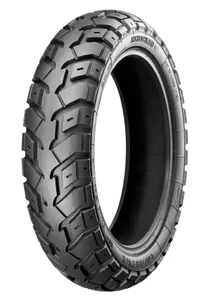
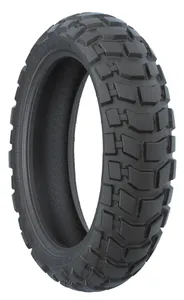
| Adventure on-road (Anakee, Tourance, Trail Attack) | ~80 miles | Mixed-surface tread cleans itself quickly on tarmac |
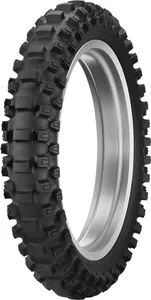
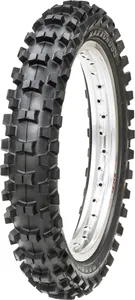
| Knobbly off-road (MX, enduro, hard adventure) | One careful ride | Tread blocks self-scrub; mould release is the only real concern |
These are typicals. A wet, cold March is harder on scrub-in than a dry July. Riding two-up loads the rear shoulders earlier than solo would. Ride to what the tyre’s telling you. When the matt finish reaches the edge, you’re there.
What to avoid in the first 100 miles
Five things that turn an unremarkable first ride into a story.
- Hard braking. Especially front-only emergency stops. The release film is at its worst in the first ten miles. A panic stop on a brand-new front asks the tyre to do its hardest work at its weakest moment.
- Big throttle on cold tyres. A standing-start rear-wheel spin scrubs the centre but does nothing for the shoulders. It’s also the easy way to high-side three miles from the workshop. Roll on, don’t snap on.
- Painted lines, manhole covers, tar bands, diesel-prone roundabouts. Avoid them on the first ride if you can. They’re already low-grip surfaces. On fresh rubber they’re closer to ice.
- Two-up on ride one. Your pillion’s first new-tyre ride should be your second new-tyre ride. The extra rear loading puts more force through unscrubbed shoulders sooner than you’d choose.
- First ride in the wet. If it’s a Saturday morning fitment and Saturday’s forecast is rain, take it home gently and ride it in on Sunday. A new tyre in heavy rain is the worst combination on offer.
None of this is unusual riding. It’s a few hours of restraint on a kind of grip which you can’t see until you’ve earned it.
The shiny strip on the edge — when it’s gone, you’re scrubbed in
The fastest visual check there is. Lean the bike onto its sidestand in good light and look at the shoulder.
A new tyre has a glossy film extending right to the edge, with the mould seams (the thin lines of rubber pressed at the parting line of the tyre mould) still standing proud. As the tyre is used, the seams disappear first, the gloss dulls inward from the centre, the matt finish reaches the shoulder, then the very edge.
You’re scrubbed in when the matt reaches as far out as you actually lean. The last millimetre of “chicken strip” is largely cosmetic. Most road riders never use it on most tyres, and that’s fine. What matters is that all the rubber you do use is dull, scuffed and worked, not glossy.
Sport compounds take longer to loose the gloss than touring compounds because the rubber is harder. Adventure tyres often look scuffed almost immediately because the tread blocks rub against each other under load. Read the tyre, not the calendar.
Pressures during break-in
Set the manufacturer’s cold figure from mile one. The pressures guide covers this in detail; the short version: scrubbing in is not a reason to run low pressures. Low pressure does not help a new tyre find grip. It adds carcass flex on top of an already-glassy surface.
Two things do help.
- Check pressures cold before the first ride out of the workshop. Workshops fit tyres at workshop temperature, and they don’t always set them to your bike’s manual. A new tyre at 28 PSI when it should be 36 will feel vague, scrub the shoulders and lead the rider straight to the wrong conclusion: “the new tyres feel rubbish.” The real fault is inflation.
- Re-check at 50 miles. New tyres seat slightly into their rims as they’re ridden, and the working pressure can drop a PSI or two in the first short period. A two-minute check halfway through scrub-in is free insurance.
For the underlying detail on what cold pressure means, the 4 PSI rule, and why under-inflation is the failure mode that hurts people, see the pressures guide.
Track day on new tyres? Don’t.
Short and firm: a track day on freshly-fitted road tyres is the riskiest thing you can do with new rubber. Track use puts more energy into the tyre in a single session than a week of road riding, and a fresh tyre with release agent on it will catch you out in the first laps. Adrenaline and an unfamiliar circuit are the worst possible state to read what’s happening underneath you.
If it really is unavoidable, find the paddock tyre tech before you go out, tell them what’s fitted and what bike, and ask them to set warmers and pressures for a slow scrub-in lap. They will. It’s their job and they’re usually free.
Race slicks are a different process again: typically a tyre warmer on overnight, cold pressures set before the warmers come off. That’s beyond the scope of a road-rider guide.
Off-road tyres are different
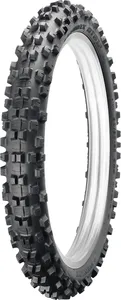
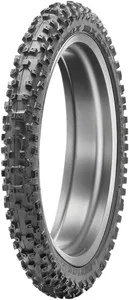
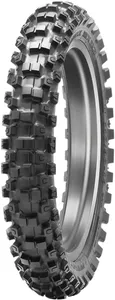
Knobblies don’t really need scrubbing in for grip. Tread blocks deform under load from the moment the tyre rolls. There’s no “smooth surface skin” to scuff, because the gripping surface is the leading edge of the block, keyed by mould geometry rather than by surface condition.
Mould release is the same problem on a knobbly as on a road tyre, though. Same film, same compound, same surface. The fix is the same: one easy first ride before you commit to anything serious, on tarmac or hardpack rather than loose sand, to let the release agent come off and the tyre find normal working temperature.
After that one ride, an MX tyre is as ready as it’s going to be. Adventure tyres want a little more. Most have dual-compound construction — harder centre strip, softer shoulders — and road-tyre logic still applies on those shoulders.
Special cases
A few situations that come up regularly enough to call out.
One new tyre, one with miles on it. Common on cruisers and adventure bikes where the rear wears faster. Treat the whole bike as if both tyres were new for the duration of the scrub-in. The new tyre is the limit. The old one’s grip doesn’t average out the new one’s lack of grip.
New tyre on a track-only bike. See the track-day section. Don’t fit-and-go. Either run the bike on the road first to scrub in (if it’s road-legal at all), or have it scrubbed on warmers and a slow lap by the paddock tech.
Repaired tyre returned to service. A properly mushroom-plug-repaired tyre doesn’t need scrubbing in again. The surface chemistry hasn’t changed. What it needs is a careful low-speed first ride to confirm the repair is holding under load, after which it goes back into service as a normal tyre. (Note: external string repairs are not legal for road use in the UK on motorcycles. The only legitimate motorcycle tyre repair is an internal mushroom plug fitted by a tyre shop with the tyre off the wheel.)
Brand change. Switching from one brand or model to another usually means a different profile. The bike will steer differently and feel different even after the scrub-in is complete. That’s not the tyre being unscrubbed. That’s just a different tyre.
The quick-reference card
If you skim one section, this is it.
- First 20 miles is the most slippery. Mould release plus unscuffed skin plus cold compound — three weak-grip factors stacked.
- 100 miles, leaning progressively. Build lean angle gradually over multiple rides. Spiral, not sudden.
- Avoid hard braking, big throttle, painted lines, two-up, and the wet on day one. Treat ride one as practice, not commute.
- Shiny strip gone = scrubbed in. Visual check on the sidestand. The matt finish should reach the edge of the rubber you actually use.
- Manufacturer’s cold pressure from mile one. Lower pressures do not help. See the pressures guide.
- Re-check pressures at 50 miles. New tyres seat into the rim and lose a PSI or two. Two-minute check, free insurance.
- One new, one old? Both are new. The new tyre sets the limit for the bike.
- Track on fresh rubber? Don’t. If unavoidable, paddock tyre tech, warmers, scrub lap. No exceptions.
Road tyres in stock
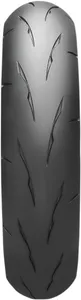
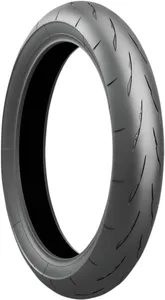
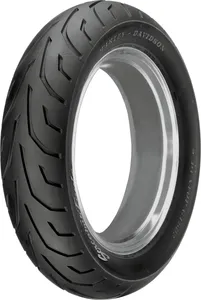
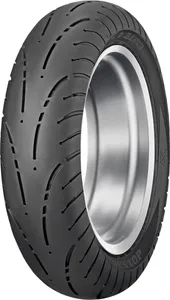
When yours are due, here's what's available right now in the road-tyre family.
Browse all road tyres →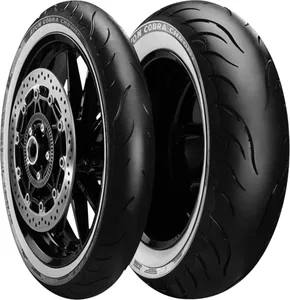
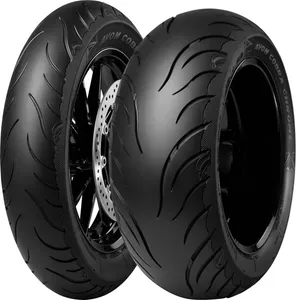
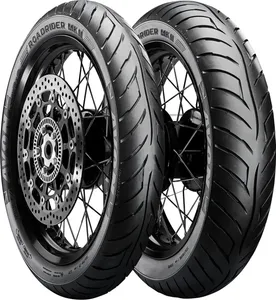
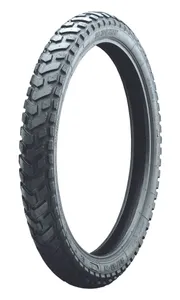
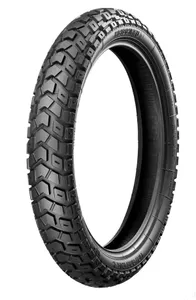
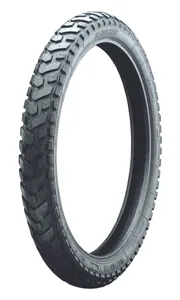
Adventure & dual-sport
Mixed-surface compounds that scrub in quickly on tarmac before the trail.
Browse all adventure & dual-sport tyres →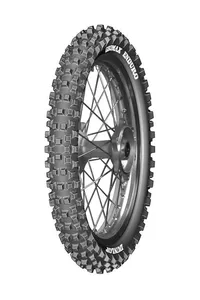
Off-road
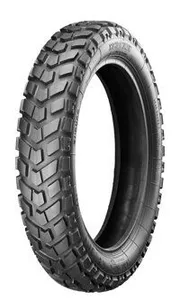
Knobblies don't want a long scrub-in — they want one careful first ride to clear the mould release.
Browse all motocross tyres →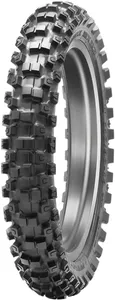
New rubber, broken in right
Stocked and ready when yours are due
Browse by your bike or by the size on the sidewall. Free UK delivery on orders over £100, dispatched same or next working day from current stock.
3,502 tyres · 29 brands